The Fabric That Gets More Beautiful With Time
By Lahood

By Lahood
Quick Read: Linen has been loved for centuries for its relaxed, effortless charm, which only seems to deepen as it ages, with the fabric becoming softer and more characterful over time. Made from flax , a strong, sustainable plant, linen is authentically eco-friendly and durable. The Linen Edit by Lahood, features three distinct linen types to suit different room functions and the way you live.
What you Need to Know About Linen Curtains:
Linen has natural creases, and becomes softer and more relaxed with age, unlike most fabrics, whilst still retaining strength
Linen is eco-friendly: made from the flax plant that requires no irrigation, fertilisers, or pesticides
Linen curtain on windows exposed to strong sun need lining to protect fabric from UV degradation
Linen is an natural fabric and if not prewashed, may shrink slightly after an initial wash, so allow for pooling on the floor
Three linen types within The Linen Edit by Lahood serving different needs: fine lightweight for filtering light, open weave, two-tone for texture & interest, solid weave for privacy
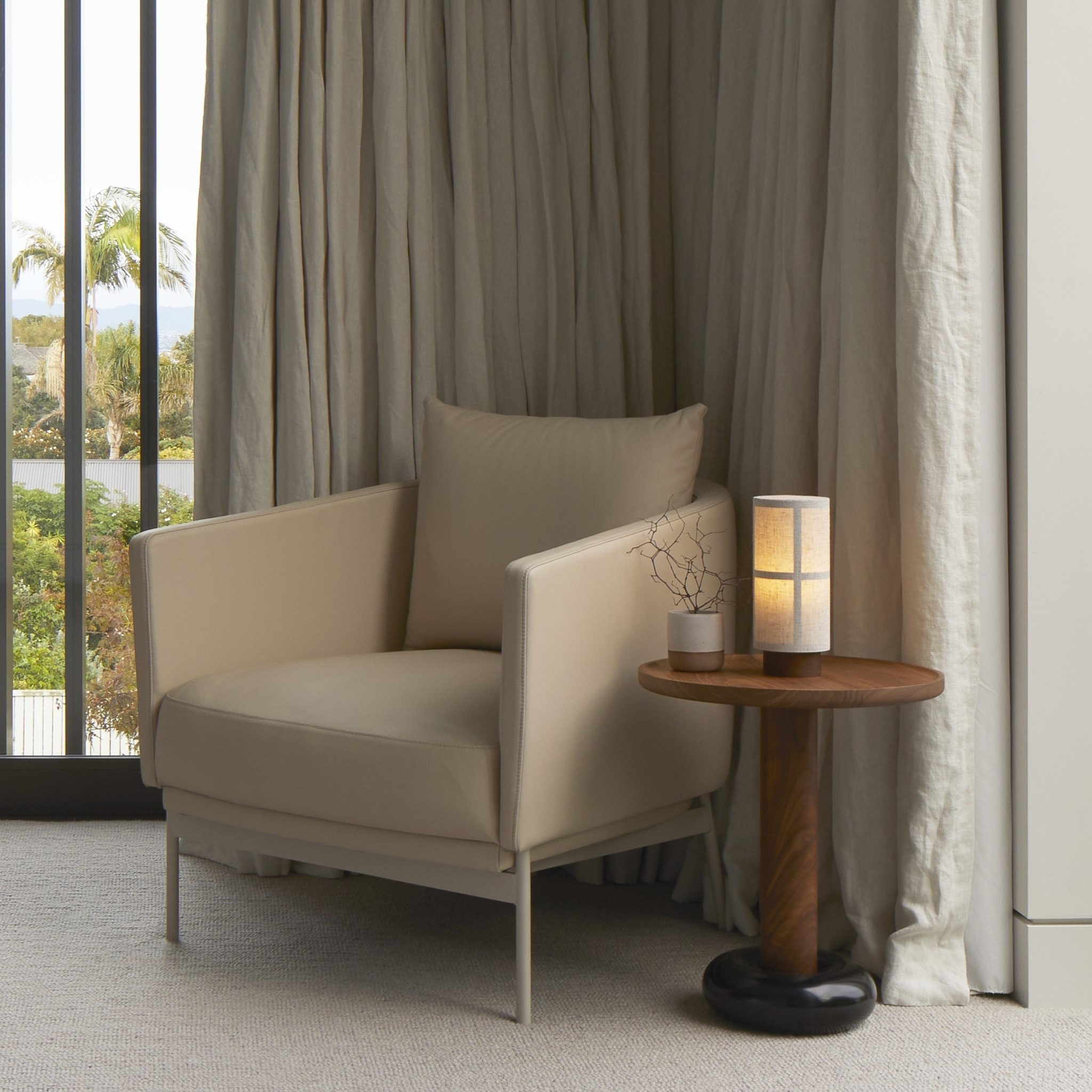
Linen has an unusual quality for a premium fabric. Unlike materials demanding flawless presentation, linen celebrates its natural imperfections.
The creases, relaxed drape, and organic texture are features, not flaws. The fabric projects confidence in its own aesthetic, with its popularity enduring for centuries.
After more than 20 years advising customers on curtain and blind solutions at Lahood Window Furnishings, our Design Consultant Kiri Fields has watched linen remain a consistent choice for customers seeking a soft, tactile texture that brings natural warmth and character to a room without overwhelming other design elements.
“Contemporary interiors favour clean, neutral aesthetics, with homeowners valuing sustainability and materials with authenticity. Linen delivers on all these areas” says Kiri.
Kiri and the rest of our design team have drawn on their expertise to create The Linen Edit by Lahood. Three distinct linen types, each selected to meet the demands of modern living and style.
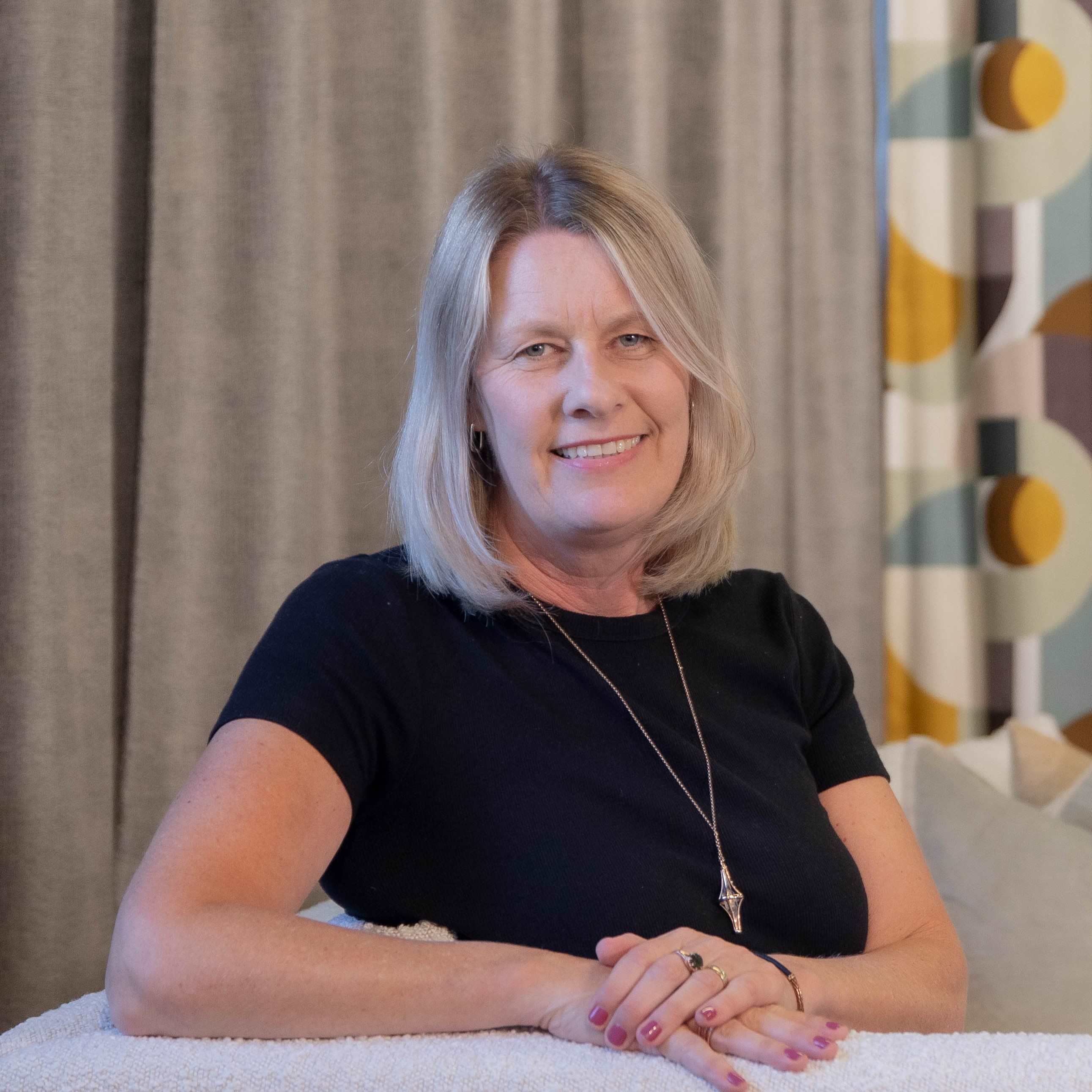
When Kiri conducts an in-home consultation, she always asks the same question first. "Where in your home are these curtains for, and how do you use the area?"
The answer determines which linen to select. Fine lightweight linen works well for an airy, light-filled living room. In a bedroom where you need darkness for sleep, however this would be the wrong choice entirely.
The Three Linen Types in Our Linen Edit
Fine Lightweight Linen
Creates airy, light-filled spaces. Works for living areas where soft filtered light desired (lined if direct sunlight) or layered on a double track behind heavier curtains.
Open Weave, Two-Tone Linen
Often used in lounges and living spaces to add texture and visual interest with subtle flecked finish. Use unlined for soft light filtering or lined for extra privacy and sun protection.
Solid Weave, Heavier Linen
Provides structure and warmth. Paired with blockout lining, delivers complete privacy and light control for bedrooms and media rooms.
Key Point: Match linen weight to room function. Lightweight for light filtering, open weave, two tone for depth & interest, heavy weave for light blocking.
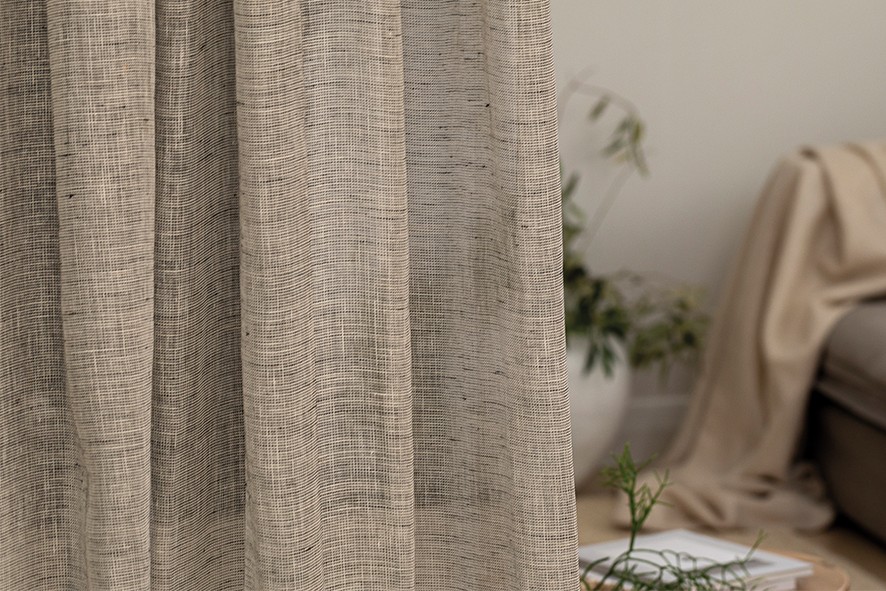
Most fabrics wear out over time, but linen gets softer and more relaxed as it ages.
"As linen ages, the drape becomes fluid and the natural creases increasingly become part of the fabric's inherent charm," Kiri says.
Although the fabric softens, it is still very durable. Linen endures up to 25% more stress than cotton and becomes even stronger when wet. Properly cared for linen curtains can last for decades.
Key Point: Linen develops character and becomes softer over time, making it more appealing as it ages.
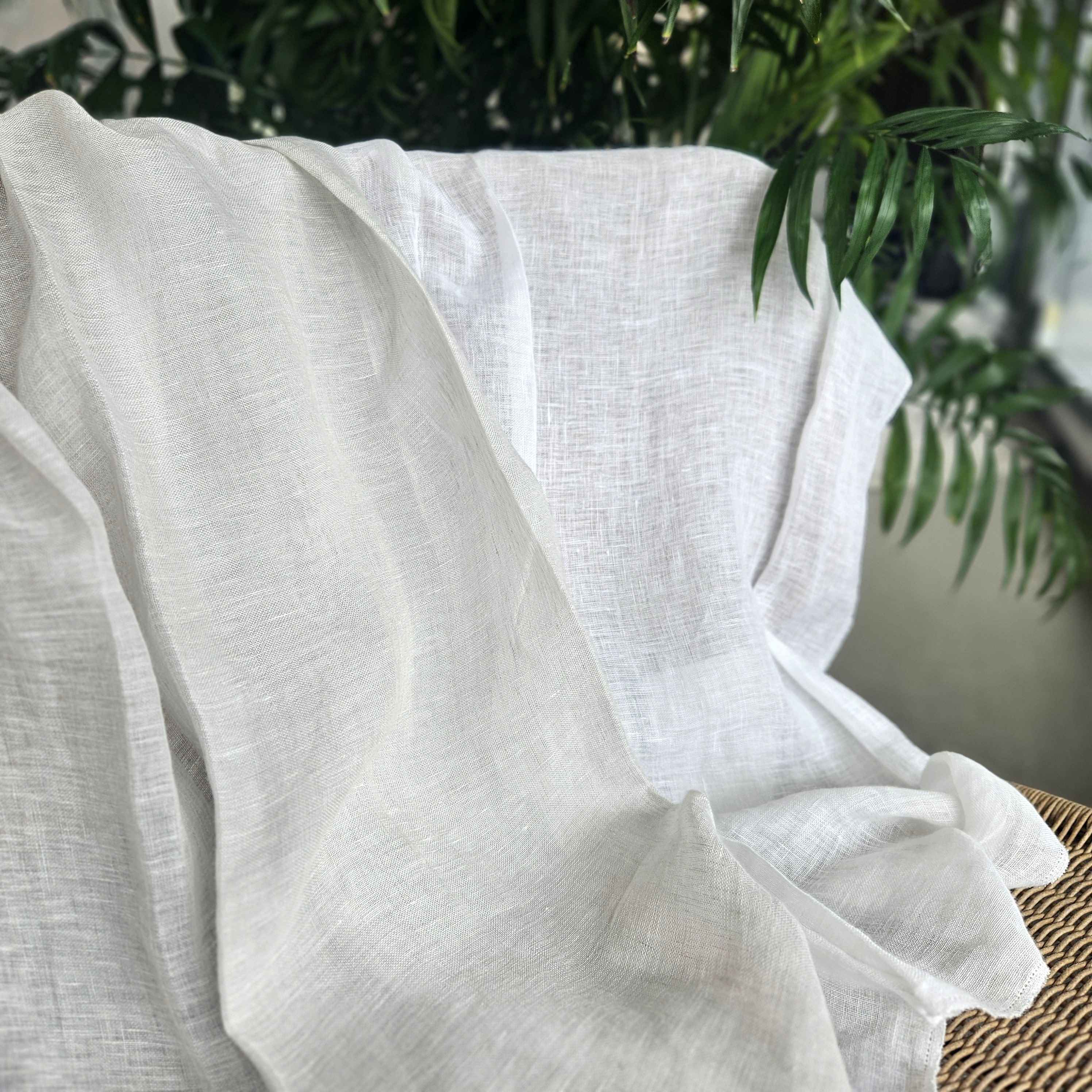
Linen's environmental credentials are genuine, not marketing talk. Linen is organic, biodegradable, naturally breathable, and durable.
Linen is made from the flax plant which doesn't require any irrigation, fertilisers, or pesticides to grow, plus the plant retains 3.7 tonnes of CO2 per hectare per year. For homeowners who value both beauty and environmental responsibility, linen represents an authentic choice.
Key Point: Flax cultivation requires minimal resources and retains significant CO2, making linen genuinely sustainable.
Here's where expertise makes a difference. In living areas, lightweight or textured linen provides beautiful light filtering qualities. However, if the window faces north and receives intense sun exposure, harsh UV degrades the fabric over time.
The solution? An uncoated polycotton lining such as Serenity by Lahood. This protects and extends the life of your linen curtains whilst still maintaining the soft, light-filtering appeal.
Different lining weights allow you to customise the balance between protection and light. See Lahood Protection Plus Lining Range.
Key Point: North-facing windows need lining to prevent UV damage.
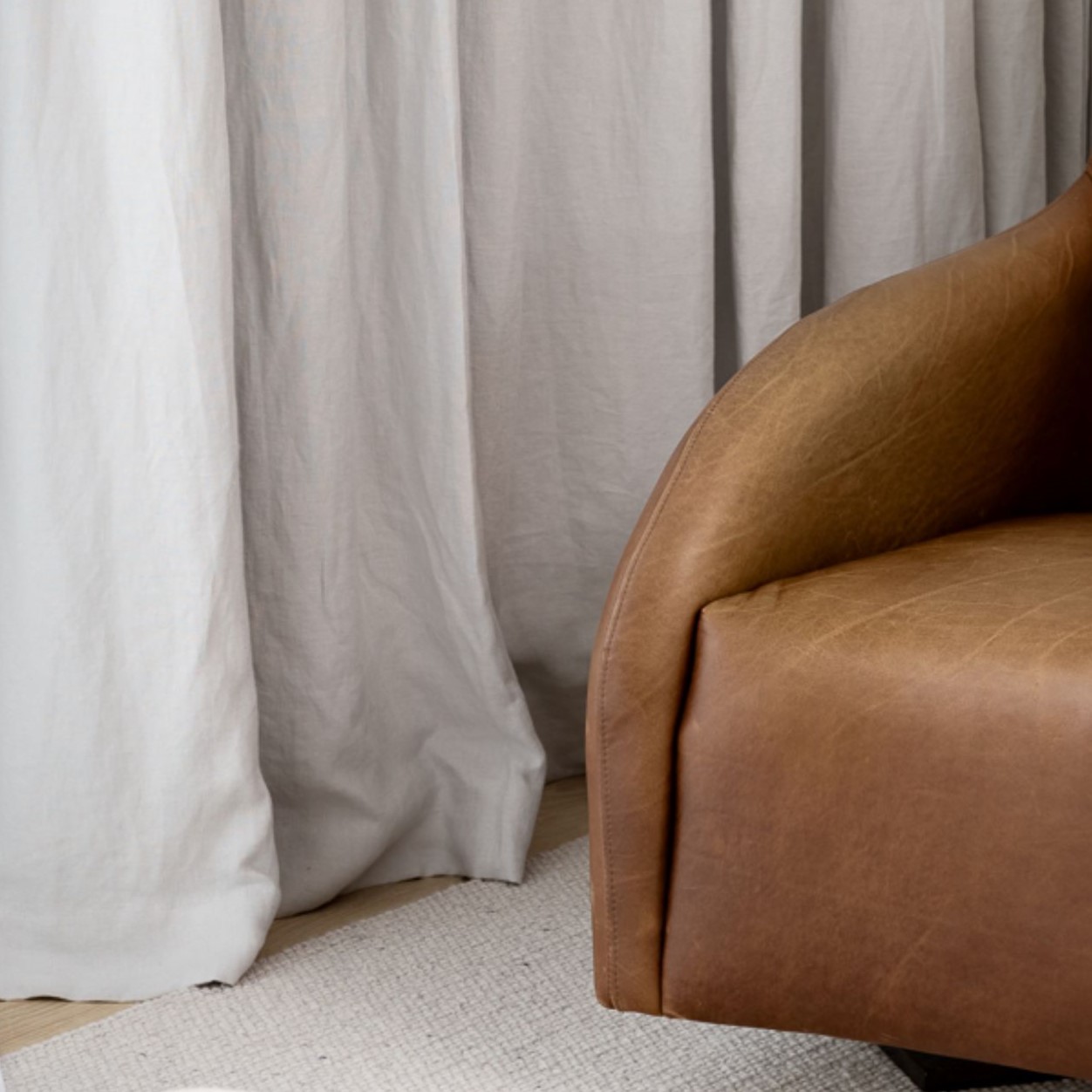
Linen is a fabric that celebrates natural imperfections. Its slub, creases, and relaxed drape are part of its charm, but there are a few styling tips to make the most of its qualities:
Embrace the relaxed look: Don’t worry about perfectly crisp folds. Natural creases adds character and warmth to your interiors.
Washing Linen: As a natural fabric linen can shrink slightly after an initial wash ( approx 4% on average) - to avoid/ minimise this either use a Drycleaning Gentle cycle or if machine washing, use a cool, gently cycle and dry dry in the shade. Do not bleach or tumble dry.
Pooling for luxury: to accommodate possible shrinkage, allow gently pooling on the floor to ensure the curtains still hang beautifully, plus create a luxurious, relaxed effect.
Layer textures and tones: Pair lighter sheers with heavier curtains in complementary shades for depth and sophistication, while keeping the palette neutral to enhance linen’s natural elegance.
Key Point: Specify linen curtains longer than usual to allow for any slight natural shrinkage and to create a luxurious pooling effect.
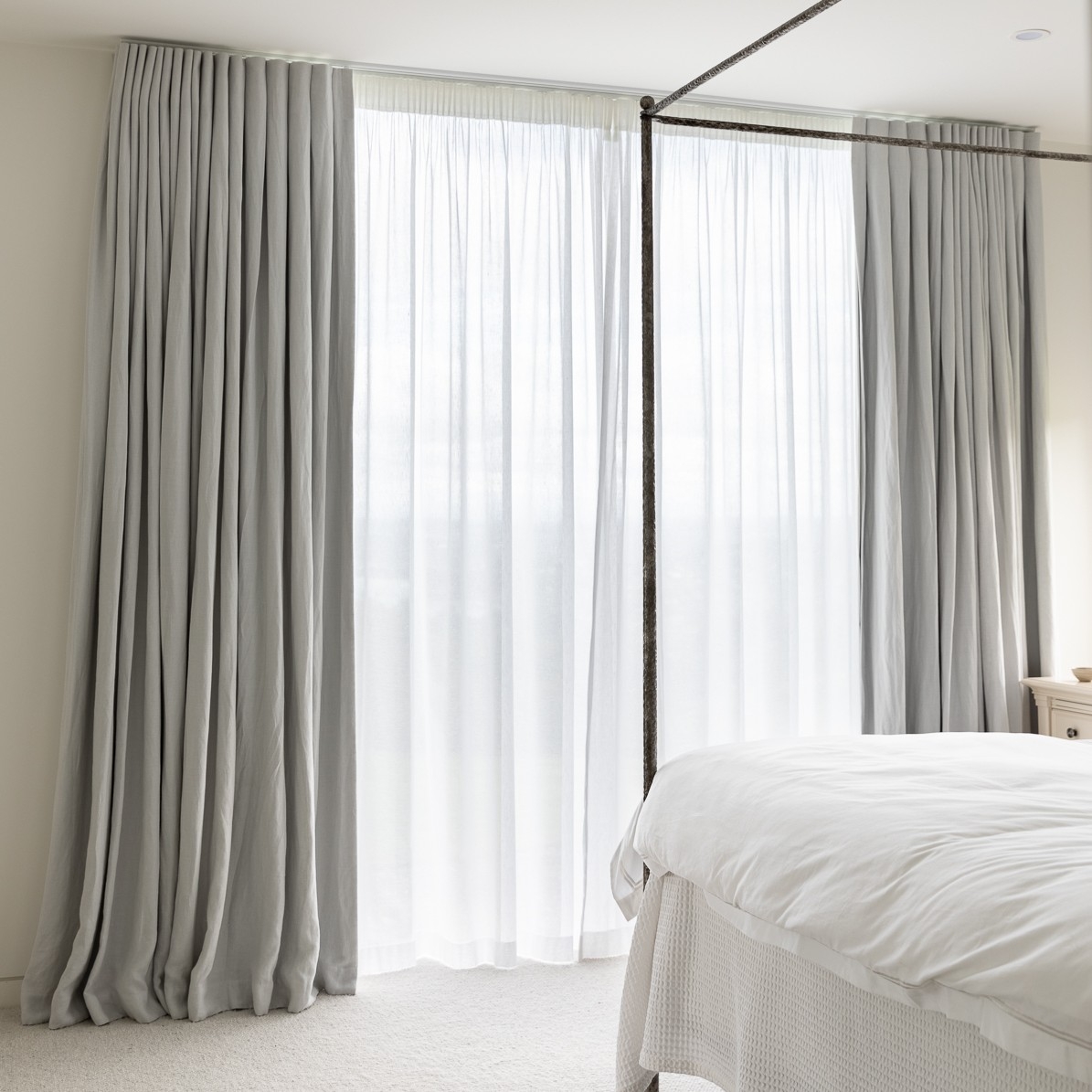
The question isn't whether linen is right for your home. Which type of linen serves your needs best?
Start with functionality. Are you filtering light, blocking light completely, adding warmth, or creating texture and depth?
The Linen Edit covers the range of linen types customers need for their homes. Our design team are here to help you select the best option for how you live in your space.
Book an in-home consultation or visit us at our 104 Mount Eden Road showroom to explore The Linen Edit. We'll help you find the linen solution for your home.
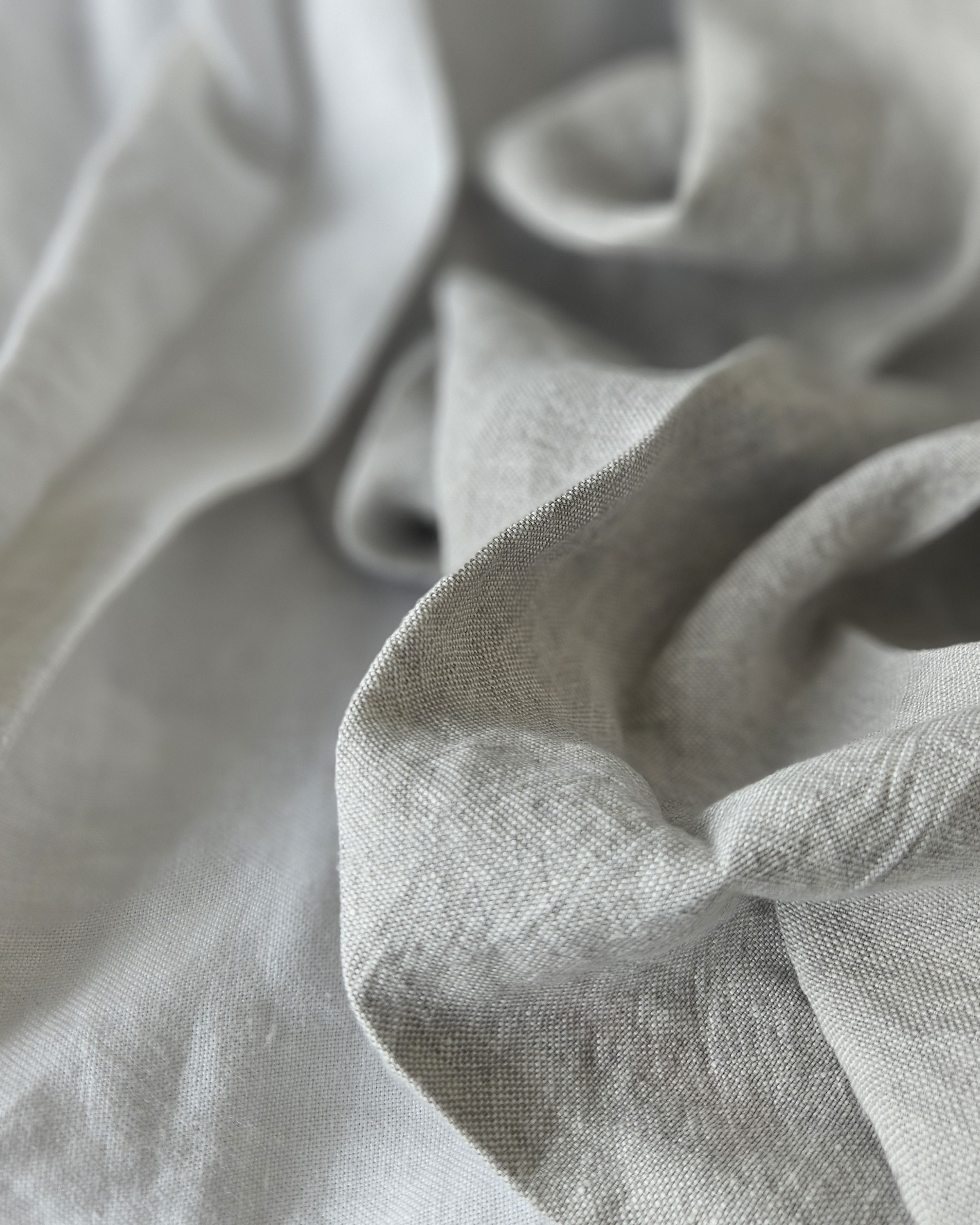
What type of linen works best for bedrooms?
Solid weave, heavier linen paired with blockout lining delivers complete privacy and light control for bedrooms. Fine lightweight linen without lining won't provide adequate darkness for sleep.
Do custom linen curtains need lining?
Lining depends on window orientation and room function. North-facing windows need lining to protect fabric from UV damage. Bedrooms need blockout lining for darkness. Living areas with soft light needs work well unlined.
Why is linen more sustainable than other curtain fabrics?
Flax cultivation requires no irrigation, fertilisers, or pesticides. The plant retains 3.7 tonnes of CO2 per hectare per year. Linen is biodegradable and lasts for decades with proper care.
Will the creases in custom linen curtains go away?
The natural creases are an inherent part of linen's appeal. The fabric becomes softer and more relaxed with age. The creases increasingly become part of the fabric's charm rather than a flaw.
How long do custom linen curtains last?
Properly cared for linen curtains last for decades. Linen endures up to 25% more stress than cotton and becomes stronger when wet, making it durable for long-term use.
What's the difference between the three linen types in The Linen Edit?
Fine lightweight linen filters light well for living areas. Open weave, two-tone linen adds texture with a flecked finish. Solid weave, heavier linen provides structure and works with blockout lining for complete privacy.
Should custom linen curtains touch the floor?
Yes. We recommend allowing linen curtains to pool gently on the floor. This accounts for any natural shrinkage and creates a relaxed, sophisticated aesthetic associated with quality linen in contemporary interiors.
The Linen Edit offers three distinct types of linen to meet different needs for functionality and style.
Match linen weight to room function: lightweight for filtering light, open-weave, two-tone for interest, heavy weave with blockout lining for privacy
Natural creases are a feature of linen's confident aesthetic, not a flaw to eliminate. Embrace it's natural charm
Linen improves with age, becoming softer and more characterful unlike most fabrics
Line is genuinely sustainable with the flax plant requiring no irrigation, fertilisers, or pesticides
Protect north-facing window linen with lining to prevent UV degradation
Specify linen curtains longer than standard to account for possible slight shrinkage after first wash


